 Support
  Order Parts & Supplies

Why Data is Becoming the Backbone of Sustainable Operations
Most operational teams are already under pressure to do more with less. Tight margins, rising fuel costs, and service expectations aren’t going anywhere. Now add sustainability targets into the mix, and it can feel like one more competing priority.
What’s changing is how companies approach that challenge. Data-driven sustainability in logistics is shifting the conversation from trade-offs to alignment. The same data that helps reduce costs and improve efficiency can also cut emissions. When it’s used well, you don’t have to choose between performance and responsibility.
It starts with visibility. Once you can clearly see how goods move, where delays happen, and how resources are used, inefficiencies stand out quickly. From there, improvements become more targeted and easier to justify.
Route Optimization That Reflects Reality
Routing used to be a planning exercise done once, usually the night before. Today, it’s closer to a live system. Routes adjust as conditions change, whether that’s traffic, weather, or last-minute order updates.
That shift alone can cut miles in ways that static planning never could. Fewer miles mean less fuel burned and fewer emissions, but also fewer hours on the road and better on-time performance.
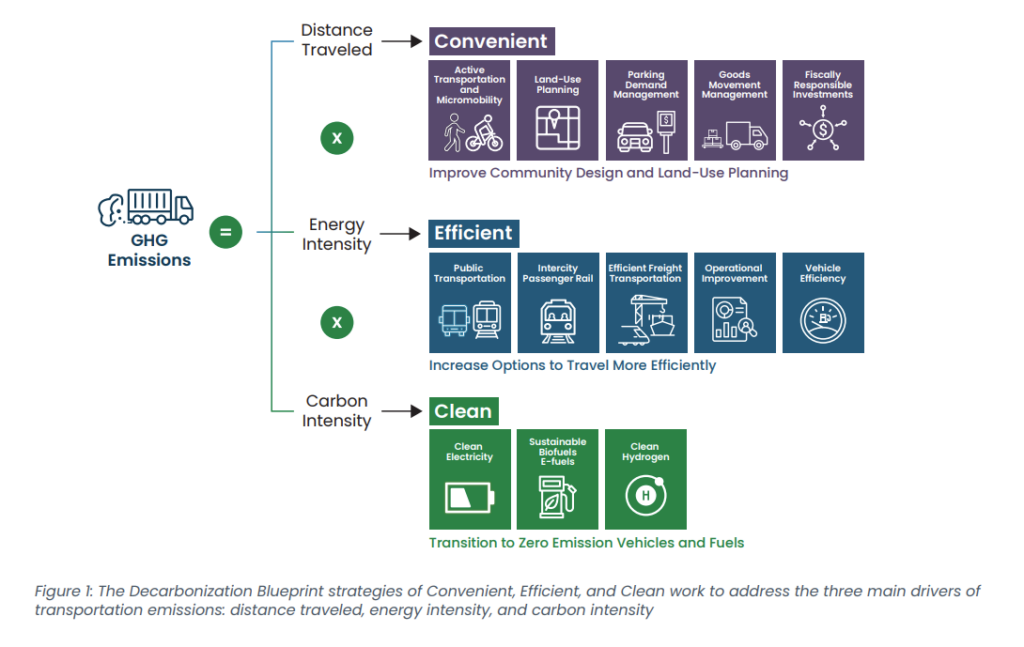
Some teams start small, tightening delivery zones or reordering stops. Others go further and adopt dynamic routing tools that recalculate throughout the day. Either way, the gains tend to show up quickly. According to the U.S. Department of Energy, reducing miles traveled remains one of the most direct ways to lower transportation emissions while improving efficiency.
It’s not just about the environment. Better routes reduce driver fatigue, improve asset utilization, and make planning more predictable.
Predictive Models and Smarter Consolidation
Empty space, or ‘shipping air’, is one of the quiet costs in logistics. Trucks leave partially filled because orders weren’t aligned in time or visibility was limited. Over time, that adds up.
Predictive analysis helps close that gap. By looking at order history, seasonal trends, and timing variability, teams can better anticipate when shipments can be combined. The goal isn’t to delay orders, but to move them more intelligently.
A recent study puts it plainly: “data-driven decision models enable more efficient coordination and consolidation of logistics flows, leading to both cost savings and reduced environmental impact”.
In practice, that means higher load utilization and fewer trips overall. The cost per shipment drops, and emissions per unit follow the same path. It’s one of the clearest examples of sustainability and ROI lining up.
Labor Planning That Matches Demand
Transportation gets most of the attention, but facilities have their own inefficiencies. Many warehouses still run on fixed shifts that don’t reflect actual demand. The result is familiar: too many people during slow hours, not enough during peaks.
Data changes that picture. With the right inputs, managers can forecast workload more accurately and adjust staffing to match. That leads to smoother operations, less overtime, and better throughput.
There’s also an energy angle here. When labor is aligned with demand, equipment runs more efficiently. Pick paths are tighter. Idle time drops. Those small improvements add up across an entire facility.
McKinsey’s research backs this up when it comes to using AI in planning, showing that advanced analytics in supply chains can reduce logistics costs by up to 15% while improving service levels. The same changes often bring down energy use as well.
This is also where flexible automation can make a measurable difference. Systems that adapt to changing volumes allow teams to scale output without constantly adjusting headcount or overcommitting resources. For example, configurable solutions like Chameleon are designed to handle variable throughput, which helps operations stay efficient even as demand shifts. That kind of flexibility supports better labor alignment and reduces the wasted time and energy that come with over- or under-staffing.
Making Carbon Neutrality Measurable
 Many companies have carbon neutrality targets. Fewer have a clear path to reach them. Data helps close that gap by turning large goals into specific actions.
Route optimization reduces fuel consumption. Consolidation cuts total trips. Smarter labor planning lowers facility energy use. None of these changes are abstract. They can be measured, tracked, and improved over time.
That’s important for reporting, but it’s even more important for decision-making. When sustainability is tied to operational data, it becomes part of how the business runs, not a separate initiative.
Where to Focus First
If you’re looking to get started, focus on visibility before anything else. You need a clear view of routes, loads, and labor patterns before you can improve them.
From there, pick one area with a quick return. Route optimization is often the easiest entry point. Shipment consolidation is another strong candidate if you have enough order volume.
The key is to build momentum. Once teams see measurable gains, it becomes much easier to expand efforts and tie sustainability directly to ROI.